Key to the rise of BNPL is seamless Customer Experience even as tighter regulation is demanded of instalment plan-based transactions

Barry Levett

This month I decided to take a closer look at the relentless rise of Buy Now Pay Later (BNPL) all over the world and look back to the origins of easy instalment buying in Latin America to probe why it is such a widespread consumer buying phenomenon today.
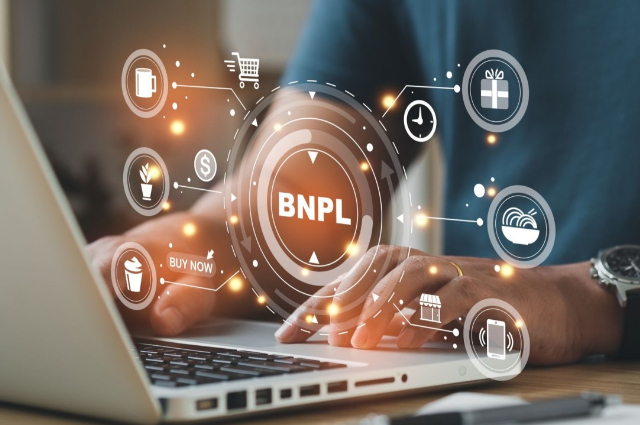
To understand the current widespread appeal of BNPL apps like Klarna, Affirm, Afterpay, PayPal, and Zip today, it’s worth looking back as far as the 1990s, when the concept of paying by instalments rose to prominence in Latin American countries such as Brazil and Argentina.

In LatAm, the concept of paying by instalments, known locally as ‘parcelamento’ or ‘cuotas’ – enabling consumers to spread the cost of purchases over time – became a significant driver of economic growth in the region. From high-value consumer goods to everyday commodities, the option to pay by instalments was embedded into consumer behaviour in this part of the world more than 30 years ago.

Part of this was about increasing financial accessibility. In 1990, about 70 per cent of the adult population of Brazil, for example, had no bank account at all. Instalment payments enabled the majority of adult unbanked consumers to access goods and services without the immediate need for substantial cash savings or access to traditional credit facilities.

During this period, many Latin American countries also suffered severe inflationary surges, which further boosted instalment plan adoption as paying by instalments enabled consumers to lock in the total purchase price as it was at the moment of purchase, effectively hedging against short-term price rises. This consumer behaviour became cemented even as more and more people in this part of the world gained bank accounts and began buying more goods and services online using their bank cards. Interest-free instalment plans became the growing global Buy Now Pay Later (BNPL) phenomenon it is today and many of the emerging neobanks its champions.

BNPL used for lower-value transactions

BNPL’s growth numbers are impressive. Survey data developed by Argentine research firm D’Alessio IROL shows that in 2019, 77% of Argentine households were paying ‘cuotas’, up from 68% in 2018. Other data also tell us that instalments are increasingly being used for surprisingly low-ticket items and that their usage increases in line with purchase price: a 2019 consumer survey conducted by EBANX showed that 65% of consumers preferred to pay via instalments for products priced in the US$25-$50 range, and this percentage grows to 79% for products valued at US$50 or more.

In-store BNPL transaction volumes also rising

Although elsewhere in the world, paying by instalments was slower to catch on, there is no doubt that over the last five years, with the rise of BNPL platforms like Klarna, we’ve seen its swift consumer adoption for both in-store and via eCommerce transactions.

So, today, BNPL transactions account for approximately 10-15% of all e-commerce transactions worldwide, while nearly 40% of consumers in France were using BNPL services by 2021. Although the UK has been a little further behind in terms of paying by easy interest-free instalments, as of this year, 42% of UK adults are now using BNPL services. Indeed, as of 2023, BNPL represented about 10% of the UK’s total eCommerce transactions valued at approximately £11.46 billion. And in-store, BNPL already accounts for around 5% of UK in-store retail sales, to a value of £6.4 billion.

According to Bloomberg, the BNPL market in the UK has increased tenfold over the last five years, driven by a combination of the cost-of-living crisis, higher interest rates from other forms of credit, and the disappearance of the alternative – payday loans.

There is no doubt that merchants are seeing the opportunity to increase sales and attract more consumers to buy from them. Furthermore, research shows that consumers are prepared to buy 15-20% more expensive products if they can pay by instalments. Online basket values rise by even more than that for younger consumers – most notably Gen Zers and Millennial-age consumers now aged 13 to 44.

BNPL CAGR at 9%

Digital payment options like PayPal’s Pay in 4, Klarna, Afterpay, and Affirm have grown increasingly popular in online shops across the world. According to Statistica, the global Compound Annual Growth Rate of this alternative payment method is estimated to be nearly 9% between 2023 and 2028.

While the benefits are substantial, businesses must navigate certain challenges when implementing instalment payment systems. One major concern is credit risk management. Since extending credit always comes with the possibility of defaults, businesses must have strong systems in place to handle potential losses, charge late payment penalties and seek recovery of late payments, for example.

BNPL regulation coming

In addition, it is clear from our investigation into several countries’ National Payments Visions, which I covered here back in February, tighter regulation of the BNPL space is coming everywhere. The UK financial regulator, the Financial Conduct Authority, has already been tasked by the UK Government with rolling out new regulation covering BNPL by July 2026. The new rules will require BNPL providers to make sure customers can afford repayment before offering a loan, and to issue “clear, simple and accessible” information about loan agreements in advance. Draft regulation also says BNPL companies will need to offer refunds if consumers run into problems with the products they purchase.

The new European Directive on Consumer Credit, adopted by the European Council on 12th October 2023, focuses on credit agreements with a value of under €200. This new directive seeks to set transparent guidelines for split payments and curb excessive debt scenarios. These regulatory changes have the potential to bring about a transformation in the business model and marketing practices of BNPL services all over the world.

In the States, in May 2024, the Consumer Financial Protection Bureau (CFPB) issued an interpretive rule classifying BNPL lenders as credit card issuers under the Truth In Lending Act (TILA), and it has since implemented Regulation Z. This rule aimed to extend consumer protections traditionally associated with credit cards to BNPL products, such as the right to dispute charges and requirements for clear disclosures. However, earlier this month, the CFPB announced plans to revoke this interpretive rule due to legal challenges and industry pushback. Despite this recent development, it is clear that tighter regulation of BNPL remains inevitable.

Emphasis on smooth CX as BNPL is regulated

So, the emphasis, both in eCommerce and in-store POS transactions, must be on building seamless Customer Experience (CX) into the checkout process, despite the increasing likelihood that consumer protection guardrails and credit checks will need to be built into transaction processes, for the inevitably increasing number of consumers electing to pay by easy interest-free instalments.

At Mypinpad, we are already enabling some of these more complex payment journeys – building this functionality into our SDKs – enabling delivery and signing of BNPL contract agreements within payments workflow integrations for the likes of Brazil-headquartered Nubank and Mercado Pago. We anticipate working with more acquirers to create seamless and yet compliant BNPL processes and workflows as BNPL regulations start to bite around the world.
>> Read our insights on National Payment Visions and the need to ensure digital payments keep flowing while keeping citizens’ money safe

Mypinpad joins Mastercard Engage to accelerate Tap on Phone adoption

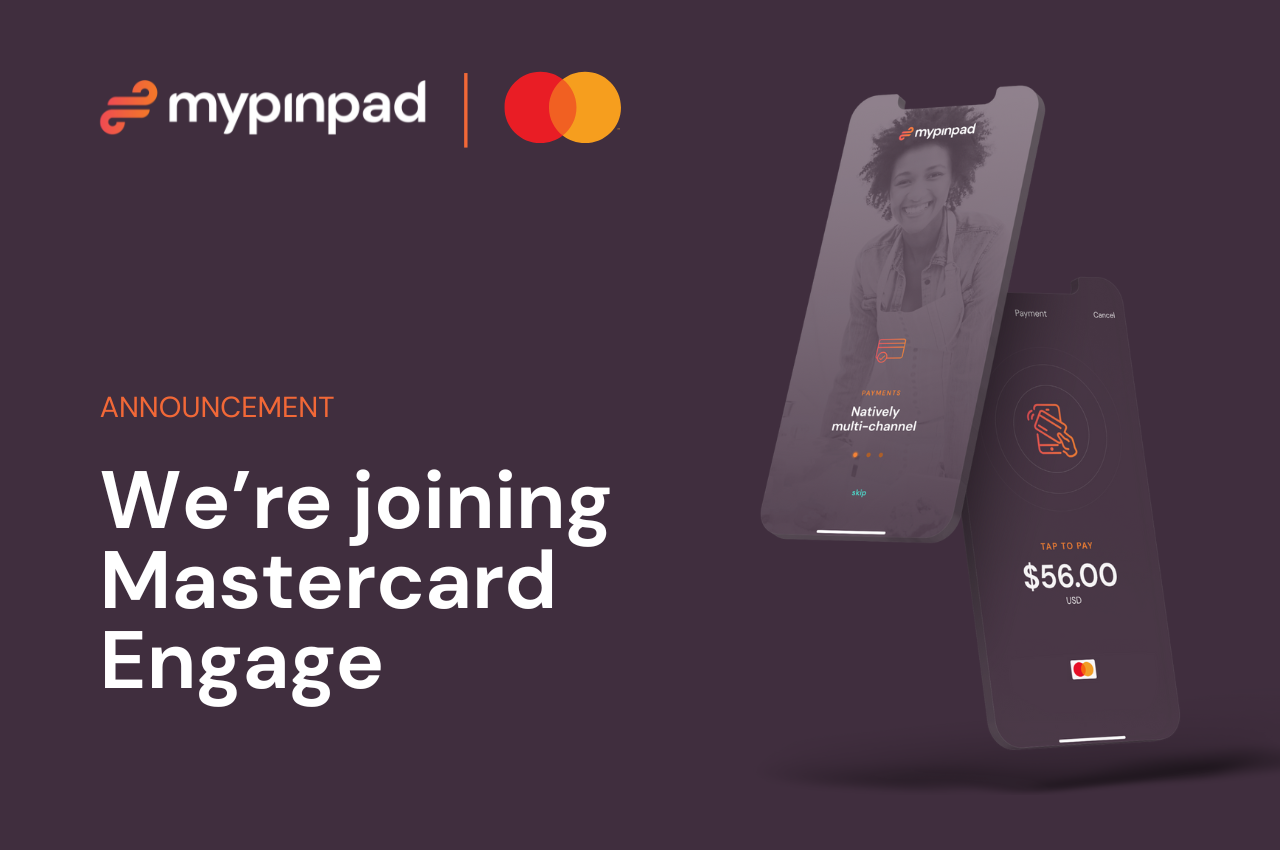
We are pleased to announce that Mypinpad has joined the Mastercard Engage partner network to accelerate time to market for Tap on Phone innovation.

As a Mastercard Start Path alumni, this marks another milestone in our growing collaboration with Mastercard — and a strong vote of confidence in our secure, scalable payment solutions.

We applaud Mastercard for championing innovation and supporting the Payments community through impactful initiatives like Engage and Start Path.

As an Engage partner, Mypinpad empowers acquirers, issuers, and fintechs to go to market faster with trusted SoftPOS and multi-channel payments technology — helping businesses accept payments smarter, safer, and faster.

More reach. More impact. More innovation. Explore how we can support your growth: Contact Us

A new generation of game-changing, software-led Retail EPOS solutions is now emerging

Barry Levett

This month, I decided to focus my article on how this new generation of Software-led Retail EPOS solutions is finally helping to put superior, differentiating Customer Experience (CX) at the heart of in-store POS design.

The history of Point of Sale systems in retail is highly instructive. Over the last 150 years or so, we have moved from the very first mechanical cash registers invented by James Ritty, who founded the National Cash Register company (NCR) way back in 1884; through to the Electronic Cash Register (ECR) which offered the first digital displays and enabled retailers to store transaction data electronically; and on to computerised Point of Sale (POS) systems which were capable of integrating barcode scanners, receipt printers and customer displays in the 1980s.

Modern retail Electronic POS (EPOS) systems have evolved over the last 20 years to include cloud-based solutions, mobile connectivity, and advanced software applications offering real-time analytics, mobile payment options, and enhanced customer experiences. The evolution from mechanical cash registers to sophisticated retail EPOS systems has significantly transformed the retail industry, making transactions more efficient and secure.

However, up until recently, Retail POS systems have not been sufficiently focused on the Customer Experience (CX) itself. This lack of focus on CX is still evident in many recently rolled-out self-checkout solutions, which still feel clunky. The CX is generally led by the Retail EPOS system offering a large touch screen customer display which guides us through their checkout process, including scanning the barcodes on items, or finding them on a visual inventory display, perhaps even weighing them to determine the price of those apples, adding carrier bags, and watching the total cost rise until the point of payment.

More often than not, you then select the payment method via the EPOS screen, and the total is sent across to the separate payment terminal which is attached to the self-checkout station. It all feels slightly disconnected—far from seamless. This configuration represents what I call the Hardware or Hardware Plus-led approach in which software integrations are still difficult, while cybersecurity updates and functionality improvements remain hard to roll out during opening hours.

However, in the next generation of EPOS displays now being built, we are finally seeing Software-driven Retail EPOS solutions—characterised by a combination of large touchscreen self-service checkout displays with in-built NFC-based payment capability on-screen, not via those old familiar hardware payment terminals normally located sitting in a hole at the bottom of the digital POS display.

We are also increasingly seeing retail assistants emerging from behind their checkout counters holding handheld tablets and POS terminals, which offer the same ability to browse stock visually using a touchscreen colour display, and then going on to assist customers to pay and issue receipts.

What is going on behind the scenes to enable these smart EPOS systems which combine great CX with smooth and yet highly secure payments? Well, it may well be that a Mypinpad SoftPOS Software Development Kit (SDK) is enabling compliance with the very latest PCI MPOC (Mobile Payments on Commercial Off-The-Shelf) standards. That same SDK can be configured to handle multi-channel payments via the retailer’s app, Mastercard, Visa, Apple Pay, or even via a QR code offering a percentage discount or offer in-store.

That same SDK should also ensure that the smart POS terminal or self-service EPOS display is keeping that payment fully secure so that any personally identifiable information (PII) and banking details are hidden and remain highly secure. Now that you are in ‘software land’, as I prefer to call it, the latest security updates can be delivered ‘on the fly’ in near real-time as new vulnerabilities are found and patches become available.

More than this, now that upgrades and new functionalities are being delivered via fresh APIs and SDKs, it becomes possible to build highly customised CX at point of sale. The relatively low cost and high availability of this software make it possible for retailers to build and roll out bespoke and yet highly secure, seamless user experiences based on even the narrowest of use cases.

So, it’s finally possible to build highly differentiated customer experiences which display purchasing options attractively on a range of touchscreen displays, support browsing and product configuration and selection, and then seamlessly enable purchasing—with or without a retail assistant supporting the customer along the way.

Customer experience is no longer an afterthought when building retail POS systems. CX is finally taking centre stage in the latest generation of POS systems.

The critical need for effective communication in leadership Part 2: Listening is half the battle

2023 03 15 my pinpad sally fotor 20250320233133

Sally Withers

In this second blog, we continue to explore how important communication is for Leaders, focusing on listening skills and their application in remote communication. There are clear challenges with one-way communication, multitasking during calls, neglecting quieter voices, skimming messages, rushing 1-1s, and missing emotional cues.

All of these can lead to disengagement, miscommunication, and reduced trust — especially in the isolation of remote work.

In his book Supercommunicators, Charles Duhigg emphasises that great listening is active and intentional.  It can easily be applied to remote settings.


Ask the Right Questions

Great listeners guide conversations by asking insightful questions that uncover deeper meaning.  Challenge your teams with the right questions, pushing them to think critically and find solutions themselves.

  • Remote: We have a lineup of robust collaboration tools at our disposal like Microsoft Teams (Forms) and Slack polls, Q&A features, or asynchronous video updates/messages to encourage thoughtful responses without putting people on the spot.


Reflect and Validate

Active listening involves summarising, validating, and responding thoughtfully to demonstrate understanding. It creates psychological safety, making people feel heard and confident in sharing their ideas. Google’s Project Aristotle found psychological safety to be the top predictor of successful teams.

  • Remote: Summarise key points in Microsoft Teams, Slack, email, or project management tools e.g., “I hear you saying X. Let’s explore Y further. Use emoji reactions,voice notes, or short check-in videos to make responses feel more personal and engaging.

Reflecting and validating ideas makes people feel valued and encourages more meaningful contributions.


Balance Talking and Silence

Great communicators know when to pause and let the other person think and respond.  They draw out the best in people by making space for them to contribute rather than dominating discussions.  Tim Cook, CEO of Apple is known for a quieter, more measured style, often pausing in meetings, giving space to others to contribute.  Silence can be powerful—it creates room for deeper reflection, independent thinking, and stronger engagement.

  • Remote: Embrace intentional pauses in Zoom or Teams calls to provide attendees with the opportunity to process and contribute.  Utilise chat features to enable quieter team members to share insights without needing to speak immediately.  Encourage asynchronous brainstorming using collaborative tools e.g. Notion, Miro, Google Docs, Confluence, Lucidspark to let ideas develop over time.


Focus on Emotions, Not Just Facts

Research suggests that people want to feel emotionally understood, not just intellectually acknowledged. Emotional validation activates the brain’s bonding systems, leading to trust, safety and openness. Great leaders invest in their people’s growth, recognising their emotions and motivations to unlock their full potential.  They strive to build their emotional intelligence to foster trust, engagement, and sustained success.

  • Remote: Start meetings with quick personal check-ins e.g. “What’s your energy level today on a scale of 1-10?”. Recognise emotions in messages and show empathy. Use 1:1 virtual coffee chats to maintain human connection beyond work discussions.


Satya Nadella himself wrote in his book, Hit Refresh:

“Listening is the most important thing that I accomplished each day because it would build the foundation of my leadership for years to come.”

By leveraging asynchronous tools, structured interactions, and digital empathy, you can make remote communication just as effective as in-person.  It requires intentional communication and leveraging digital tools effectively. True leadership isn’t about talking the most—it’s about listening the best.

These are not just soft skills, they’re strategic and effective. How do you ensure your team feels heard?